Overloaded Truck Accidents in Texas | Load Shift & Cargo Spill Injury Rights
Published by J.A. Davis & Associates – San Antonio Personal Injury Lawyers – Truck Accident Lawyers
Texas Highways: Recognizing Overloaded Trucks and Protecting Yourself from Load Shift Accidents (Part 11)
Overloaded trucks represent a hidden but serious danger on Texas highways. Excess weight and improperly secured cargo transform commercial vehicles into unstable hazards capable of jackknifing, rolling over, or spilling debris across traffic lanes. Overloaded trucks contributed to an estimated 5% of the 39,393 commercial vehicle crashes recorded in Texas during 2024, claiming 608 lives and injuring thousands of motorists. Overloaded trucks operate in violation of federal weight limits designed to protect highway infrastructure and public safety. If you or a family member has been injured due to an overloaded or improperly loaded commercial vehicle, legal remedies are available.
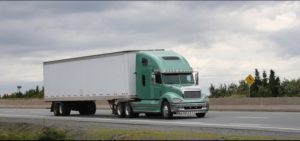
The Scope of Overloading and Load Shift Accidents in Texas
Texas moves more freight than any other state in the nation, with commercial trucks hauling goods across thousands of miles of highways daily. This volume creates pressure to maximize loads, and some carriers exceed legal weight limits to reduce trips and increase profits. The consequences of this practice extend far beyond regulatory violations.
In 2024, Texas recorded 39,393 commercial vehicle crashes resulting in 608 fatalities. Overloaded and improperly secured cargo contributed to an estimated 5% of these incidents. While this percentage may appear modest, it represents nearly 2,000 accidents that were entirely preventable through proper compliance with weight regulations.
The Federal Motor Carrier Safety Administration establishes an 80,000-pound gross vehicle weight limit for commercial trucks operating on interstate highways. Vehicles exceeding this limit place extraordinary stress on critical safety systems. Braking distances increase by 20 to 30% when trucks operate above weight limits, as brake systems designed for legal loads cannot dissipate the additional heat generated during stops. Tire blowout risks double under excess weight conditions, as sidewalls and treads experience stress beyond their design parameters.
Load shifts compound these dangers dramatically. Improperly secured cargo can move suddenly during turns, lane changes, or braking maneuvers. When 80,000 pounds of freight shifts unexpectedly, the resulting momentum can cause jackknife accidents, rollovers, or complete loss of vehicle control. Cargo spills scatter hazards across multiple lanes, creating secondary collision risks for following traffic.

Warning Signs of Overloaded and Improperly Loaded Trucks
Overloaded trucks and unstable cargo exhibit observable indicators that alert attentive motorists to potential danger. Recognizing these warning signs provides opportunity to create distance before accidents occur.
Trailer posture reveals weight distribution problems. A trailer riding noticeably low on its suspension or leaning to one side indicates potential overloading or uneven cargo distribution. Excessive rocking or swaying during curves suggests that weight has shifted or was improperly distributed from the outset. These visual cues often indicate loads exceeding legal limits by 10% or more.
Tire condition provides another indicator of overloading. Tires supporting excess weight display flattened sidewalls, bulging treads, or visible heat damage. Smoke emanating from wheel assemblies or audible thumping sounds suggest tires operating under stress that may result in blowouts. At highway speeds, a tire failure on an overloaded truck frequently results in loss of control.
Cargo securement failures present visible warning signs. Tarps flapping loose, straps hanging unsecured, or cargo shifting visibly during vehicle movement indicate inadequate load securement. Pallets or containers visible at the edges of flatbed trailers suggest loads that may not be properly restrained. These conditions precede cargo spills and the catastrophic accidents they cause.
TxDOT crash investigations and FMCSA inspection records confirm that these warning signs appear consistently in overload-related accidents. Vigilance for these indicators can help motorists avoid the estimated 5% of commercial vehicle crashes attributable to weight and cargo violations.
Protective Measures for Texas Motorists
Sharing the road with potentially overloaded trucks requires defensive awareness and measured responses. The following measures can reduce exposure to overloading hazards.
Assess commercial vehicles from a distance before approaching. Identify low-riding axles, wobbling wheels, or unstable trailer movement while maintaining safe following distance. If visual inspection suggests potential overloading or cargo problems, increase following distance to at least 10 seconds behind the suspect vehicle. This extended buffer accounts for the 20 to 30% increase in stopping distance that overloaded trucks require.
Monitor for load shift indicators during travel. Sudden swerves, unusual trailer movement, or visible cargo displacement signal imminent danger. When these signs appear, pass the vehicle on the left with maximum lateral clearance as soon as conditions permit safely. Signal your intentions clearly and complete the pass decisively.
Respond appropriately if cargo spills occur. Activate hazard lights immediately and move to the shoulder if debris enters your lane. Do not attempt to navigate through scattered cargo, as items may cause tire damage or loss of vehicle control. Photograph the scene, the truck’s identifying information, and any visible cargo from a safe position.
Report suspected overloaded vehicles to Texas Highway Patrol at *HP (*47). Provide the truck’s DOT number, location, and description of observed weight or cargo concerns. These reports trigger weigh station inspections that identify approximately 20% more violations than random enforcement alone.
Legal Framework and Enforcement Efforts
Texas enforces weight regulations aggressively, with fines exceeding $10,000 for significant overweight violations. TxDOT operates fixed weigh stations and deploys mobile scales to identify overloaded vehicles. These enforcement efforts target carriers who routinely exceed weight limits to maximize profits at the expense of highway safety.
Federal Motor Carrier Safety Administration regulations require drivers to inspect cargo securement every 150 miles during transit. Violations of this requirement establish negligence when load shifts cause accidents. Additionally, multiple parties may bear liability in overloading cases, including the trucking company that accepted the load, the shipper who prepared it, and the driver who failed to verify compliance before departure.
Protecting Your Rights After an Overloading Accident
If you have been injured in an accident involving an overloaded truck or cargo spill, evidence preservation begins immediately. Photograph the truck’s condition, any visible cargo displacement, debris on the roadway, and vehicle damage. Obtain the truck’s DOT number, company name, and any visible weight station documentation. Record witness contact information for individuals who observed the truck’s condition before the accident.
Seek medical attention promptly and maintain thorough records of treatment and expenses. Texas law allows injury victims to pursue compensation from multiple responsible parties when overloading contributes to accidents.
Consulting with a truck accident attorney costs nothing upfront and provides clarity about your legal options. An experienced attorney can subpoena weight station records, cargo manifests, and shipper documentation to establish the overloading that caused your accident. These cases often involve complex liability questions requiring investigation of the entire shipping chain.
Review your uninsured and underinsured motorist coverage before accidents occur. Adequate UM/UIM coverage protects you when commercial carriers lack sufficient insurance. Understanding the risks posed by overloaded trucks empowers Texas motorists to recognize warning signs and respond appropriately when dangerous conditions develop.